How to Spot a Good Crypto Analyst (and the Red Flags to Avoid)
In This Article
Introduction
Crypto analysts are some of the most useful sources you can follow. A good one can explain in ten minutes what a chart, an on-chain trend or a piece of news actually means, and save you hours of digging. Analysts on YouTube and X have become a core part of how people follow crypto, and for good reason.
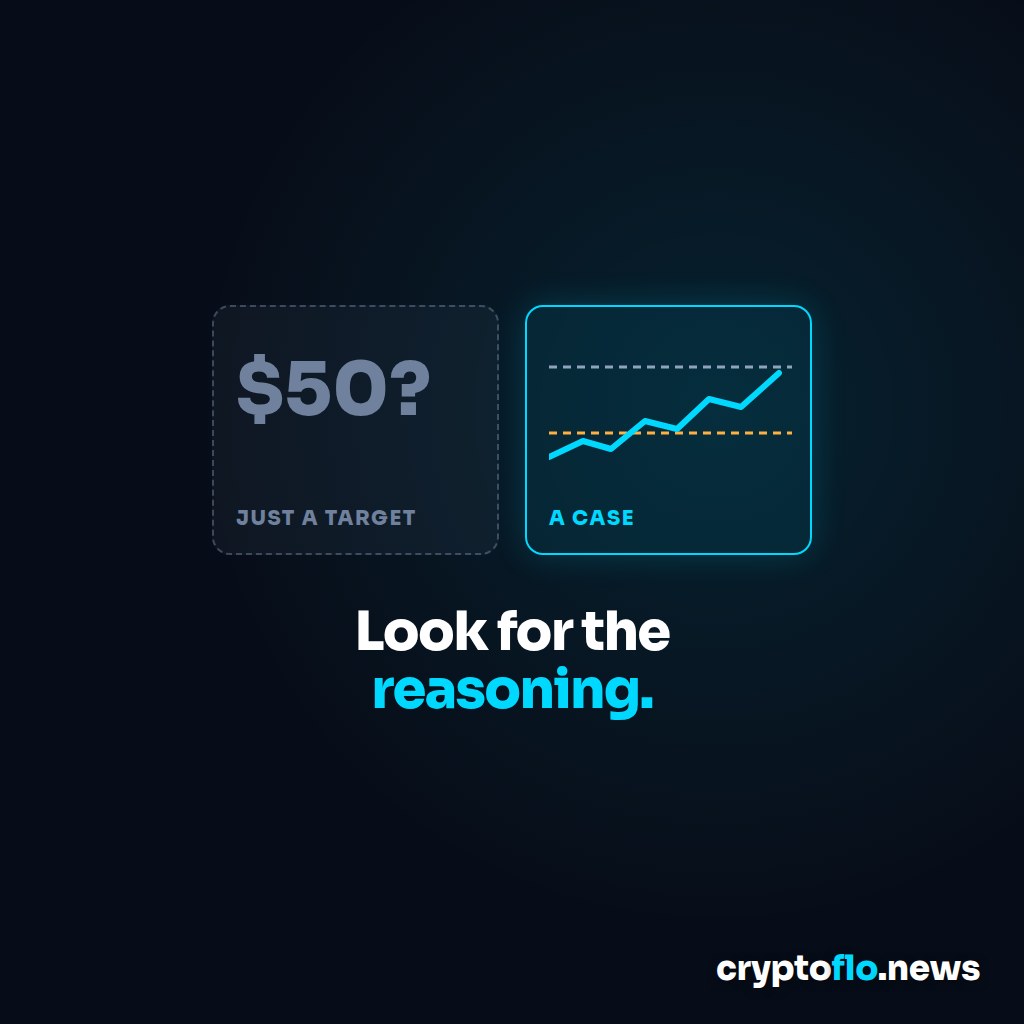
But not every analyst is a good one, and the difference isn't the format, the channel size or how bullish they are. The difference is reasoning. Good analysts show you how they got to their view. Weak ones just give you the conclusion.
This guide covers the main kinds of crypto analysts, the signs that separate a good one from a bad one, and how to use analysts alongside other sources so they make you better informed rather than just more excited.
The Main Kinds of Crypto Analysts
Most analysts lean toward one or two of these styles. Knowing which one you're watching helps you judge them fairly.
- Technical analysts read price charts: trends, support and resistance, volume and indicators. Their work is about probabilities and levels, not certainties. (Our guide to analyzing crypto charts covers the basics.)
- On-chain analysts read blockchain data: wallet flows, exchange balances, holder behavior and network activity.
- Macro analysts connect crypto to the wider economy: interest rates, inflation, the dollar and liquidity.
- Fundamental and project researchers dig into what a project does, who builds it, how its token works and whether adoption is real.
- News commentators explain what the day's headlines mean and why they matter.
None of these is better than the others. A mix usually gives you the clearest picture, because each one sees something the others miss.
Seven Signs of a Good Analyst
1. They show their work. A good analyst shows the chart, the data or the source, and walks you through it. You should be able to follow their reasoning even if you don't agree with it.
2. They explain why, not just what. "Bitcoin could reach this level" is a claim. "Here's the level, here's why it matters, and here's what has to happen for it to get there" is analysis.
3. They say what would prove them wrong. Good technical analysts name an invalidation level. Good fundamental analysts say what would change their mind. If nothing could ever prove them wrong, it isn't analysis.
4. They talk in probabilities, not promises. Markets are uncertain. Good analysts use words like "likely," "if" and "watch for," and they're clear about time frames.
5. They own their misses. Everyone gets calls wrong. Good analysts revisit old calls, including the bad ones, and explain what they learned. A record of only wins usually means the misses were deleted.
6. They separate news from opinion. "Here's what was announced" and "here's what I think it means" are two different things, and a good analyst makes it clear which is which.
7. They disclose their interests. Good analysts tell you when content is sponsored and when they hold what they're talking about.
Red Flags to Watch For
- Targets with no reasoning. A big round number with no case behind it isn't analysis. It's a headline.
- Guaranteed returns. No honest analyst can promise profits. "This will 10x" is a sales pitch.
- Undisclosed promotions. In the US, the Federal Trade Commission requires people to disclose paid endorsements and other material connections, and the SEC has acted against undisclosed crypto promotions. In October 2022, Kim Kardashian agreed to pay $1.26 million to settle SEC charges that she promoted the EthereumMax token on Instagram without disclosing she'd been paid $250,000 to do it. If an analyst never mentions sponsors, ask why.
- Pressure to act now. "Buy before it's too late" and countdown-style urgency are designed to stop you thinking.
- "DM me" and private groups. Requests to message someone privately, join a paid signal group, or send money are a common route to scams. (More in how to spot a crypto scam.)
- Every video is a crisis or a moon shot. If every update is "massive news," none of it is.
Note what isn't on this list: price predictions, technical analysis, bold opinions and enthusiasm for a coin. Those are all fine. What matters is whether the reasoning is there.
How to Use Analysts Well
- Follow a few, in different styles. One technical analyst, one on-chain or macro analyst and one news commentator usually beats ten channels that all say the same thing.
- Pair them with primary sources. When an analyst reacts to news, check the original announcement or data yourself. (See how to read a crypto project announcement.)
- Pay attention when good analysts disagree. Disagreement isn't noise. It usually means the situation is genuinely uncertain, and that's useful to know.
- Judge them over months, not one call. Anyone can be right once. Look at how they reason over time.
- Keep your own decisions yours. Analysts help you understand. They shouldn't make your choices for you, and the good ones will tell you that themselves.
Where Crypto Flo Fits
Following several analysts takes time, and good ones often publish long videos. Crypto Flo is a personalized AI crypto intelligence platform that turns the coins you follow and the sources you choose into a daily audio or text briefing. For each coin it maintains a vetted library that includes analyst and commentary YouTube channels alongside news outlets, and you choose which of them brief you. See how Crypto Flo works, and our guide to choosing crypto news sources you can trust.
Frequently Asked Questions
Q: Are crypto analysts worth following?
A: Yes, the good ones are. A good analyst explains what charts, data and news actually mean, and can save you hours of research. The key is choosing analysts who show their reasoning, talk in probabilities and disclose their interests.
Q: How can you tell if a crypto analyst is good?
A: Look for someone who shows their work, explains why they hold a view, says what would prove them wrong, talks in probabilities rather than promises, owns their misses, separates news from opinion, and discloses sponsorships and holdings.
Q: Are price predictions a bad sign?
A: No. Price targets are a normal part of analysis. The question is whether the target comes with reasoning: the levels, the data and what would invalidate it. A big round number with no case behind it isn't analysis.
Q: Do crypto influencers have to disclose paid promotions?
A: In the US, the Federal Trade Commission requires people to disclose paid endorsements and other material connections. In October 2022, Kim Kardashian agreed to pay $1.26 million to settle SEC charges over an undisclosed paid promotion of the EthereumMax token.
Q: How many crypto analysts should I follow?
A: A few is usually enough, ideally in different styles, such as one technical analyst, one on-chain or macro analyst, and one news commentator. Pair them with primary sources like official announcements and on-chain data.
Q: What should I do when analysts disagree?
A: Treat it as information. When good analysts disagree, the situation is usually genuinely uncertain. Compare their reasoning, check the underlying data yourself, and avoid acting on any single call.
The Bottom Line
Good crypto analysts are among the most valuable sources you can follow, and the way to find them is simple: look for the reasoning. Analysts who show their work, explain why, say what would prove them wrong, own their misses and disclose their interests will make you better informed, whatever their style. Follow a few of them in different styles, pair them with primary sources, and keep your decisions your own.
This content was created with AI assistance and may contain errors, always verify before acting. Not financial advice. Always do your own research before making any investment decisions.
Frequently Asked Questions
Are crypto analysts worth following?
Yes, the good ones are. A good analyst explains what charts, data and news actually mean, and can save you hours of research. The key is choosing analysts who show their reasoning, talk in probabilities and disclose their interests.
How can you tell if a crypto analyst is good?
Look for someone who shows their work, explains why they hold a view, says what would prove them wrong, talks in probabilities rather than promises, owns their misses, separates news from opinion, and discloses sponsorships and holdings.
Are price predictions a bad sign?
No. Price targets are a normal part of analysis. The question is whether the target comes with reasoning: the levels, the data and what would invalidate it. A big round number with no case behind it isn't analysis.
Do crypto influencers have to disclose paid promotions?
In the US, the Federal Trade Commission requires people to disclose paid endorsements and other material connections. In October 2022, Kim Kardashian agreed to pay $1.26 million to settle SEC charges over an undisclosed paid promotion of the EthereumMax token.
How many crypto analysts should I follow?
A few is usually enough, ideally in different styles, such as one technical analyst, one on-chain or macro analyst, and one news commentator. Pair them with primary sources like official announcements and on-chain data.
What should I do when analysts disagree?
Treat it as information. When good analysts disagree, the situation is usually genuinely uncertain. Compare their reasoning, check the underlying data yourself, and avoid acting on any single call.
Let AI summarize these channels for you daily
Pick your favorite crypto YouTube channels and news sites. Get a 5-minute AI brief every morning.
Choose Your Sources