The Best Sources for Polygon News, and How to Use Them
In This Article
Introduction
Polygon is one of the most recognized names in crypto, and one of the easiest to get confused about. Its token changed its name and ticker from MATIC to POL in 2024. Its product line has shifted more than once, and in 2026 it has leaned hard into stablecoins and payments. Add a well-known video game website that also happens to be called Polygon, and it's easy to see why Polygon news gets misread.
This guide covers what actually moves Polygon news, the sources worth following (all verified active as of October 2026), the misinformation that keeps coming back, and a short list you can check in a few minutes a day.
Who's Who on Polygon
- POL is Polygon's token. It's used to pay fees and to stake on Polygon PoS, Polygon's main blockchain, which works alongside Ethereum.
- Polygon Labs is the company that develops much of Polygon's technology and runs its business deals. Marc Boiron is its CEO.
- The Polygon Foundation supports the ecosystem. Co-founder Sandeep Nailwal is its most visible spokesperson.
- Agglayer is Polygon's system for connecting multiple blockchains so assets and messages can move between them.
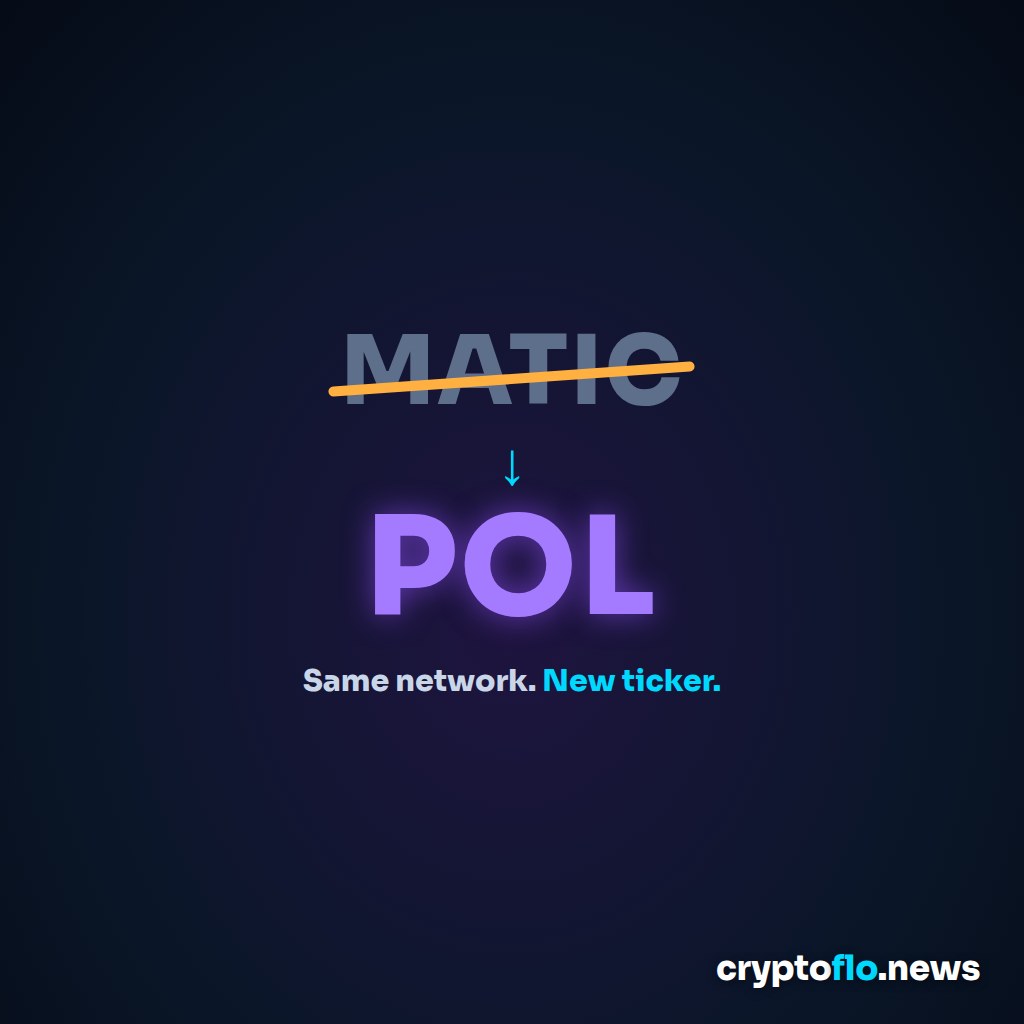
MATIC Is Now POL
This is the first thing to know before reading any Polygon news. On September 4, 2024, Polygon began upgrading its token from MATIC to POL, swapping one for one. POL replaced MATIC for paying fees and staking on Polygon PoS. By September 2025, Polygon Labs reported that about 99% of MATIC had been migrated, and major exchanges converted their customers' balances automatically.
So older articles, charts and price predictions may still say MATIC. When you see the old ticker, check the date. And if you still hold MATIC on Ethereum in your own wallet, use only Polygon's official migration tools and documentation, never a link from a stranger offering to "swap" it for you.
What Actually Moves Polygon News
- Payments and stablecoins. Polygon has made payments its main focus. Polygon Labs completed its acquisition of Coinme, a US crypto payments company, in mid-October 2026, adding 37 state money transmitter licenses as part of a roughly $250 million push into payments, announced in January 2026, that also included wallet provider Sequence. Stablecoin payments are now central to Polygon's news.
- Token supply. POL started with a supply of 10 billion, and Polygon's documentation describes a 2% yearly emission, split between validator rewards and a community treasury. In September 2026, Polygon burned 100 million POL collected from network fees, with another 22 million reportedly lined up. Burns and emissions work against each other, so check both before reading a supply headline.
- Network upgrades. Polygon's "Gigagas" roadmap, published in 2025, targets 100,000 transactions per second over time, through a series of upgrades. Check which upgrade a headline refers to and whether it's live.
- Product changes. Polygon has retired products as well as launching them. Polygon zkEVM, a separate layer 2 network, was shut down on July 1, 2026, after Polygon announced its sunset in 2025.
- Market-wide moves. POL often moves with the wider crypto market.
The Best Sources for Polygon News
Official sources
- Polygon blog: Polygon's own announcements on payments, upgrades and partnerships. The original record for official news.
- Polygon Forum: where Polygon Improvement Proposals (PIPs) and network changes are discussed. Useful for seeing what's proposed versus decided.
- Polygon documentation: how POL, staking, emissions and the network actually work.
- Polygon's official YouTube channel: talks, explainers and event coverage from the project itself.
Data sources: check the claims yourself
- PolygonScan: the main block explorer for Polygon PoS, built by the Etherscan team. Use it to check transactions, token burns and big wallet moves.
- DefiLlama: an independent view of how much value is locked in Polygon's DeFi apps, useful for checking adoption claims against the numbers.
Analysts and YouTube creators
Polygon's mix of payments deals, token changes and upgrades makes good analysts especially useful. They explain what an acquisition or burn actually means for POL, put stablecoin and payments news in context, compare Polygon with other networks, and walk through the price picture. The best ones show their data and reasoning, separate news from their own view, and disclose sponsorships. Pick a few who do that consistently, and pair them with the official and data sources above.
Reporters: established newsrooms
- CoinDesk, The Block and Cointelegraph cover Polygon regularly, including payments deals, token changes and upgrades.
Polygon Misinformation to Watch For
- The other Polygon. Polygon is also the name of a well-known video game and entertainment website. Its game reviews and features have nothing to do with the blockchain, but they can show up in searches and news feeds. Check the source before reading "Polygon" headlines as crypto news.
- MATIC swap scams. Fake sites and messages offer to "upgrade" or "migrate" your MATIC, then drain your wallet. Use only Polygon's official documentation and tools, and never share your seed phrase. (More in how to spot fake crypto news.)
- Old MATIC data presented as current. Articles and charts from before September 2024 may still use the MATIC ticker. Check the date before treating an old figure or prediction as news.
- Burns without context. A 100 million POL burn is real, but Polygon also issues new POL each year. Weigh both before reading a burn as a shrinking supply. (Our guide to reading crypto project announcements covers how to read claims like this.)
- Retired products reported as live. Polygon zkEVM was shut down in July 2026. Older guides and articles may still describe it as an active network.
- Targets with no reasoning. A price target is an analyst's view, not news. From someone who shows their data and reasoning, it's worth weighing. A big round number with no case behind it isn't analysis.
A Simple Polygon Source List
You don't need all of these. A lean list might be:
1. The Polygon blog, for official announcements
2. The Polygon Forum and docs, when a proposal or token change is in the news
3. PolygonScan, to check transactions and burns
4. DefiLlama, for an independent view of DeFi activity
5. One newsroom, such as CoinDesk, The Block or Cointelegraph, for daily news
6. One or two analysts you trust, for context and the bigger picture
Our 15-minute routine shows how to fit a list like this into your day, and our guide to choosing crypto news sources you can trust explains the thinking behind it.
Where Crypto Flo Fits
Polygon is one of the 15 coins Crypto Flo supports. Crypto Flo is a personalized AI crypto intelligence platform that turns the coins you follow and the sources you choose into a daily audio or text briefing. For each coin it maintains a vetted library of at least 10 YouTube channels and 10 news outlets, and you choose which of them brief you. The sources above are our editorial picks for this guide. Crypto Flo's own library is separate, and you choose from it inside the app. See how Crypto Flo works.
Frequently Asked Questions
Q: What is the best source for Polygon news?
A: There isn't one. A good mix is the Polygon blog for official announcements, the Polygon Forum and docs for proposals and token changes, PolygonScan and DefiLlama to check the numbers, one established newsroom such as CoinDesk, The Block or Cointelegraph, and one or two analysts who show their reasoning.
Q: Is MATIC the same as POL?
A: POL replaced MATIC. Polygon began upgrading MATIC to POL one for one on September 4, 2024, and by September 2025 Polygon Labs reported that about 99% had been migrated. Older articles and charts may still use the MATIC ticker.
Q: How do I convert old MATIC to POL?
A: Most exchanges converted customers' balances automatically. If you hold MATIC on Ethereum in your own wallet, use only Polygon's official documentation and migration tools, and never trust a link or message offering to swap it for you.
Q: Does POL have a maximum supply?
A: No fixed cap. POL started with 10 billion tokens, and Polygon's documentation describes a 2% yearly emission for validator rewards and a community treasury. Polygon also burns some POL, including 100 million in September 2026.
Q: What happened to Polygon zkEVM?
A: Polygon announced in 2025 that it would retire Polygon zkEVM, and the network was shut down on July 1, 2026. Older guides may still describe it as active.
Q: Why is Polygon focused on payments?
A: Polygon has made stablecoin payments its main focus. In mid-October 2026, Polygon Labs completed its acquisition of Coinme, a US crypto payments company, adding 37 state money transmitter licenses.
The Bottom Line
Polygon news is about payments, token changes and upgrades, and the first step is making sure you're reading about the right Polygon, and the right ticker. Use the Polygon blog, Forum and docs for official news, PolygonScan and DefiLlama to check the numbers, a good newsroom for daily coverage, and a couple of trusted analysts for context. Remember that MATIC is now POL and that burns and emissions both matter, and you'll read Polygon news better than most of the timeline.
This content was created with AI assistance and may contain errors, always verify before acting. Not financial advice. Always do your own research before making any investment decisions.
Frequently Asked Questions
What is the best source for Polygon news?
There isn't one. A good mix is the Polygon blog for official announcements, the Polygon Forum and docs for proposals and token changes, PolygonScan and DefiLlama to check the numbers, one established newsroom such as CoinDesk, The Block or Cointelegraph, and one or two analysts who show their reasoning.
Is MATIC the same as POL?
POL replaced MATIC. Polygon began upgrading MATIC to POL one for one on September 4, 2024, and by September 2025 Polygon Labs reported that about 99% had been migrated. Older articles and charts may still use the MATIC ticker.
How do I convert old MATIC to POL?
Most exchanges converted customers' balances automatically. If you hold MATIC on Ethereum in your own wallet, use only Polygon's official documentation and migration tools, and never trust a link or message offering to swap it for you.
Does POL have a maximum supply?
No fixed cap. POL started with 10 billion tokens, and Polygon's documentation describes a 2% yearly emission for validator rewards and a community treasury. Polygon also burns some POL, including 100 million in September 2026.
What happened to Polygon zkEVM?
Polygon announced in 2025 that it would retire Polygon zkEVM, and the network was shut down on July 1, 2026. Older guides may still describe it as active.
Why is Polygon focused on payments?
Polygon has made stablecoin payments its main focus. In mid-October 2026, Polygon Labs completed its acquisition of Coinme, a US crypto payments company, adding 37 state money transmitter licenses.
Let AI summarize these channels for you daily
Pick your favorite crypto YouTube channels and news sites. Get a 5-minute AI brief every morning.
Choose Your Sources